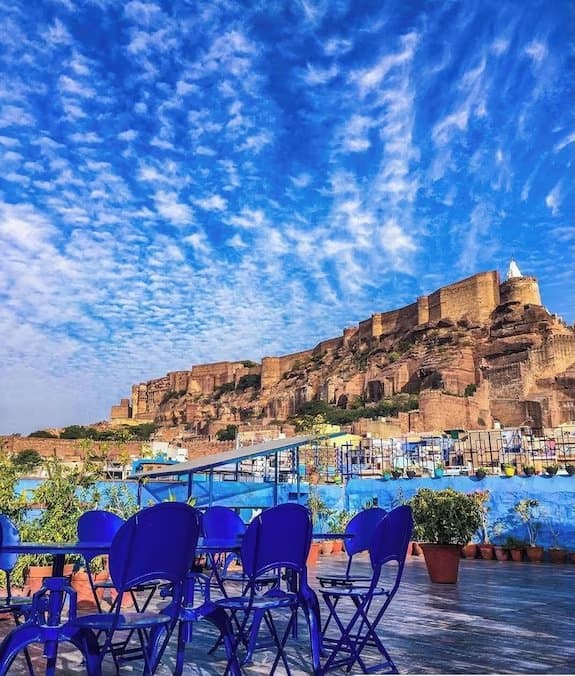
October to March is the ideal window for Jodhpur. Temperatures are comfortable (15–28°C in peak winter), the fort is at its least crowded, and the desert light is extraordinary — particularly in December and January when mornings are crisp and evenings are golden. The Rajasthan International Folk Festival (RIFF) at Mehrangarh Fort in October is one of India's finest music events, drawing world-class folk musicians to perform inside the fort at night.
April and May are hot (38–44°C) and best avoided unless you have no alternative. The heat is dry rather than humid, which makes it more manageable than coastal heat, but afternoon temperatures make outdoor sightseeing impractical. June brings the pre-monsoon heat; July and August bring occasional rains that cool the city significantly but can make some lanes muddy and certain excursions harder to reach.
September marks the tail of the monsoon — the landscape turns unexpectedly green and the fort looks spectacular against dramatic skies after rain. This is one of the best-value months to visit: lower prices, smaller crowds, and genuinely beautiful conditions once the rains ease.
The Rani Mahal is open year-round. If you are travelling in summer, request a room with strong air conditioning and plan outdoor sightseeing exclusively for early morning (6–9 AM) and late evening (after 6 PM).
Tips for Visiting
- →October: RIFF festival at the fort — book the haveli 3–4 months ahead
- →December–January: peak season — best weather, busiest crowds, highest rates
- →February–March: shoulder season — near-perfect weather with noticeably fewer tourists
- →September: post-monsoon green — dramatic skies, low prices, smaller crowds
Staying in Jodhpur?
The Rani Mahal
A 450-year-old heritage haveli in Navchokiya — the old city's oldest quarter, 4 minutes from Mehrangarh Fort.
View RoomsEnquire Now